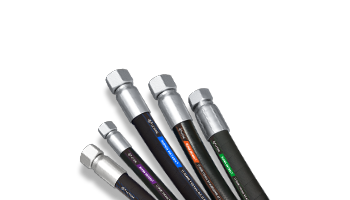
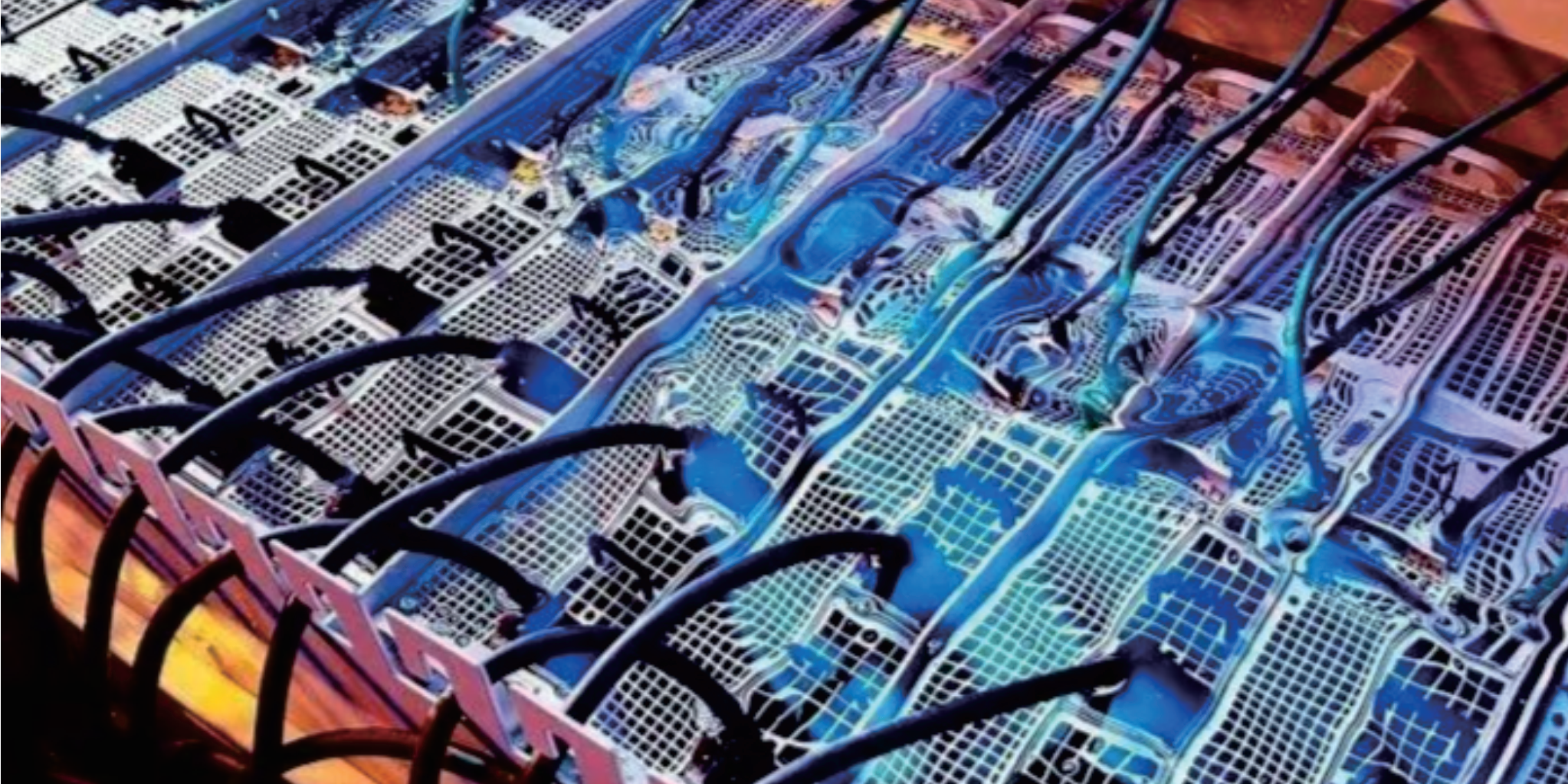
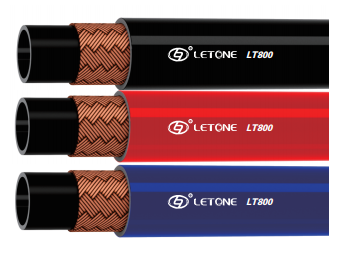
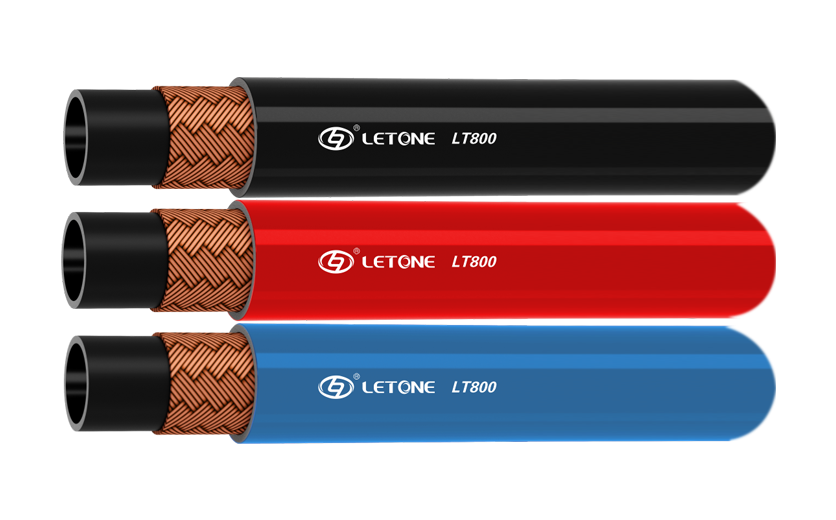
The LT800EPDM liquid cooling tube is specially designed for industries with high airtightness requirements (such as data center water/liquid cooling systems). The product has a long service life and high safety performance, effectively avoiding coolant loss and ensuring the safe operation of data center liquid cooling systems.
Inner adhesive layer:Black EPDM synthetic rubber.
Reinforcement:One or two layers of synthetic fiber weaving reinforcement.
Application scope:Suitable for media such as air, water, alcohol, chlorinated liquid, chlorine gas, oil-water emulsion, antifreeze, and phosphate ester hydraulic oil.
Weather resistance
The outer layer is protected against oxidation and corrosion, and is resistant to weathering and UV aging.
V0 flame retardant rating
Meets UL94 V0 flame retardant standards, providing a safe and reliable guarantee for data centers.
Soft and easy to install
The piping has a smaller bending radius, and the UQD quick coupling makes it easy to install and suitable for confined spaces.
LT800EPDM Liquid Cooling Hose Specifications
Specification
I.D
O.D
Max.W.P
Min.B.P
Min.B.R
W.T
Size
Min
Max
Min
Max
DASH
IN
mm
mm
MPa
psi
MPa
MPa
mm
kg/m
-4
1/4
6.1
7.2
11.6
12.6
1.38
5.5
24.5
0.13
-5
5/16
7.7
8.3
14.5
15.5
1.38
5.5
31.5
0.18
-6
3/8
9.5
10.3
15.4
16.4
1.38
5.5
37
0.19
-8
1/2
12.5
13.3
19.7
20.7
1
1
69
0.25
-10
5/8
15.8
16.6
22.5
23.7
1
1
88
0.30
-12
3/4
18.8
19.6
26.4
27.6
1
1
113
0.35
-16
1
25.2
26.2
33.6
34.8
1
1
143
0.52
-20
1 1/4
31.8
32.8
43
44.6
1
1
195
0.70
Product Advantages
EPDM liquid cooling hoses have a wide temperature range (-40℃~150℃), are flexible and easy to install (bending radius 2 times the hose diameter), are low in cost and compatible with water-glycol coolant. The aramid reinforcement layer ensures high purity, and the hoses significantly reduce vibration and noise, making them an economical and efficient choice for data center liquid cooling systems.
Application Scope
EPDM liquid cooling hoses are designed for high-purity applications, suitable for ultrapure water delivery in semiconductor manufacturing and ethylene glycol coolant circulation in data centers. They are corrosion-resistant, anti-static, and ensure zero contamination of the medium, while also meeting the stringent requirements of industries such as chemical and pharmaceutical manufacturing.
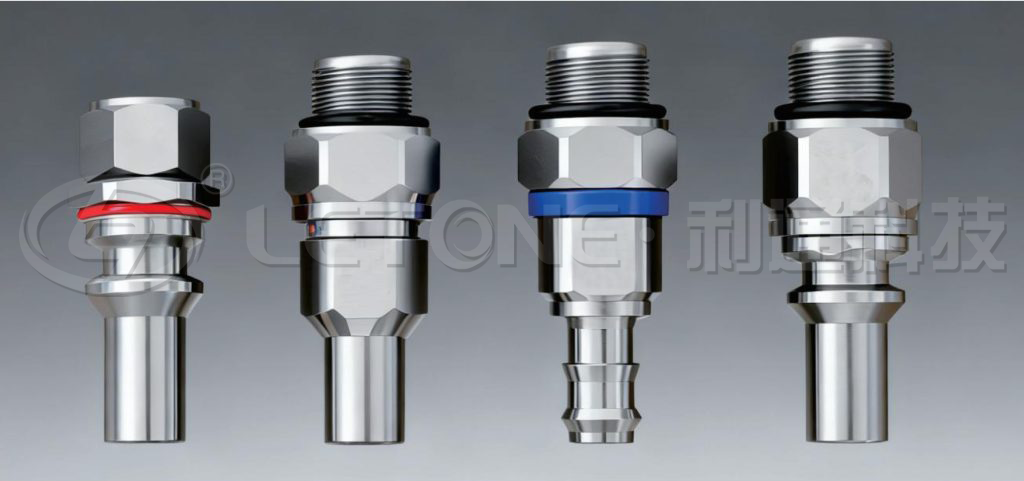
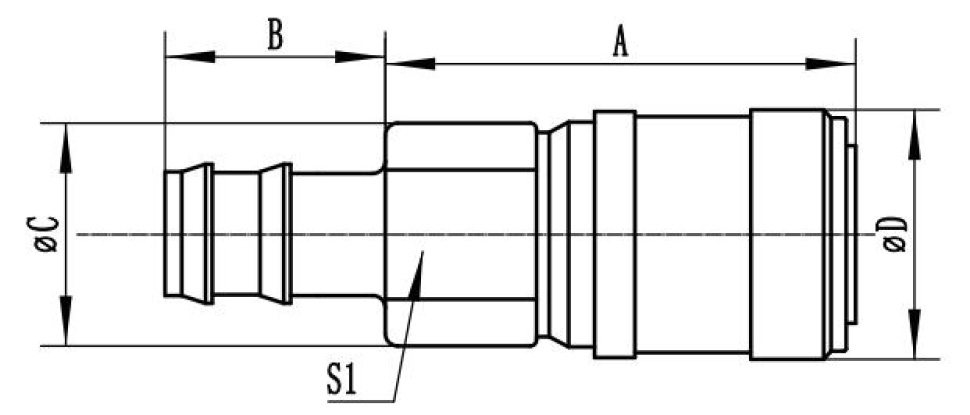
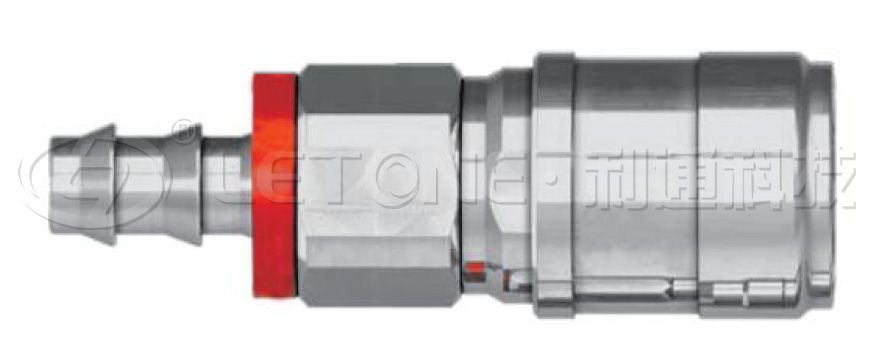
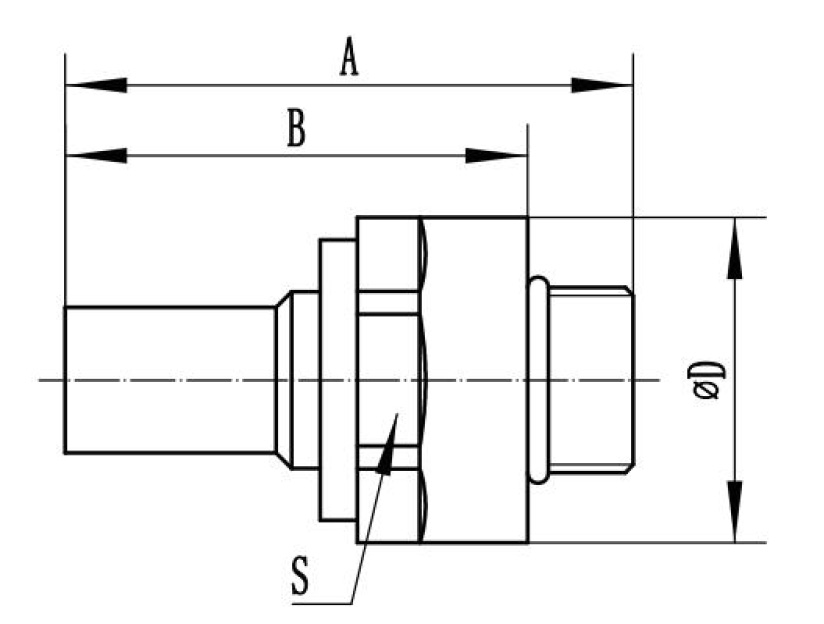
Universal Quick-connect Connector
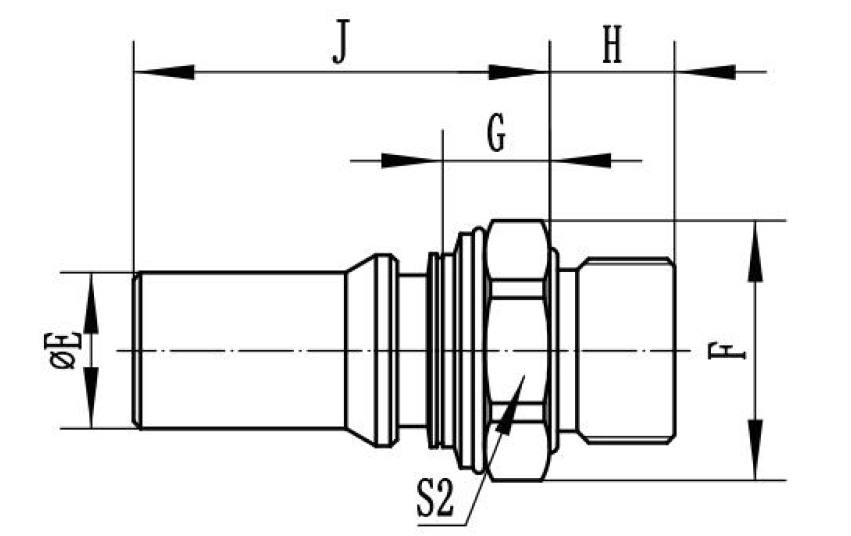
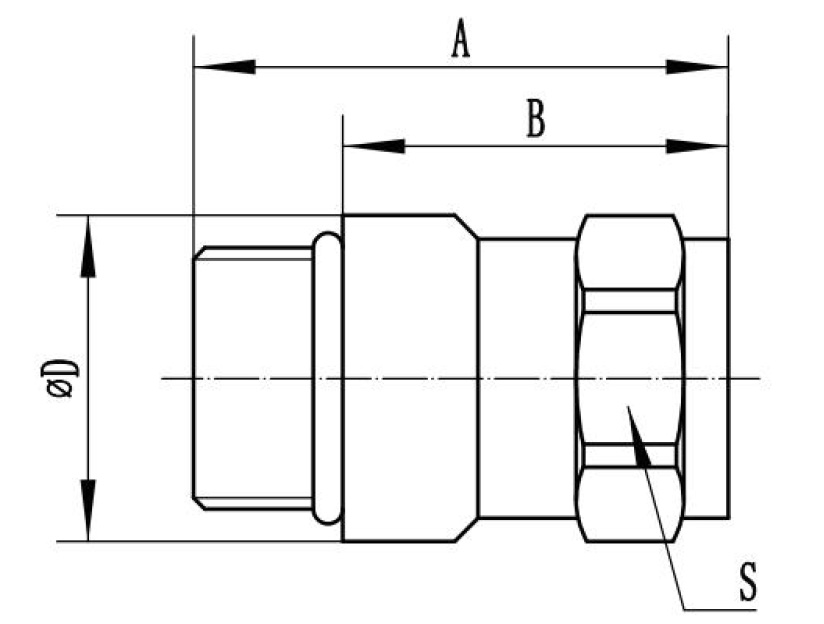
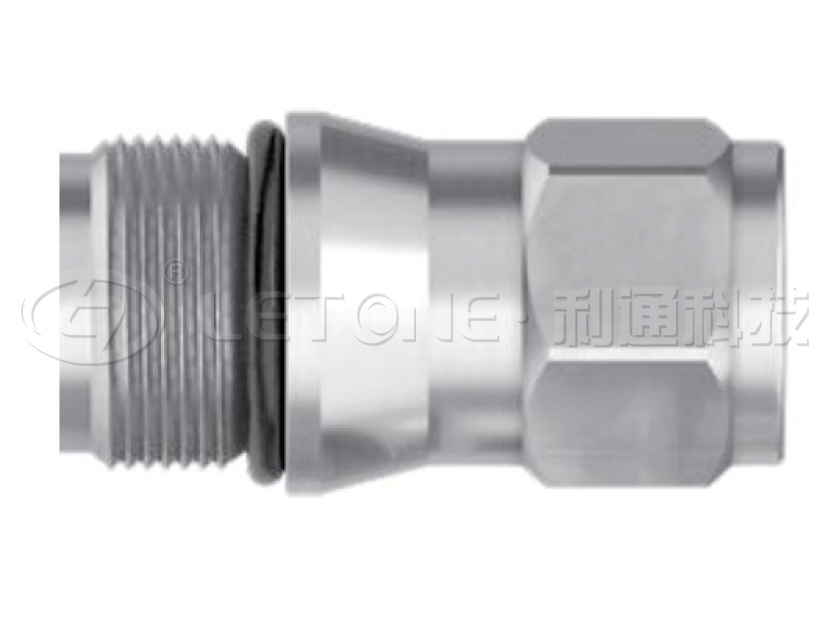
Quick-connect couplings are essential components of data center liquid cooling systems. Focusing on safe and easy connections, leak-proof design, high flow rate, and resistance to mechanical stress, they are specifically designed to meet the stringent requirements of data center liquid cooling systems.The universal quick-connect couplings are available in four sizes and two colors, are 0CP compliant, and guarantee 100% helium leak detection.
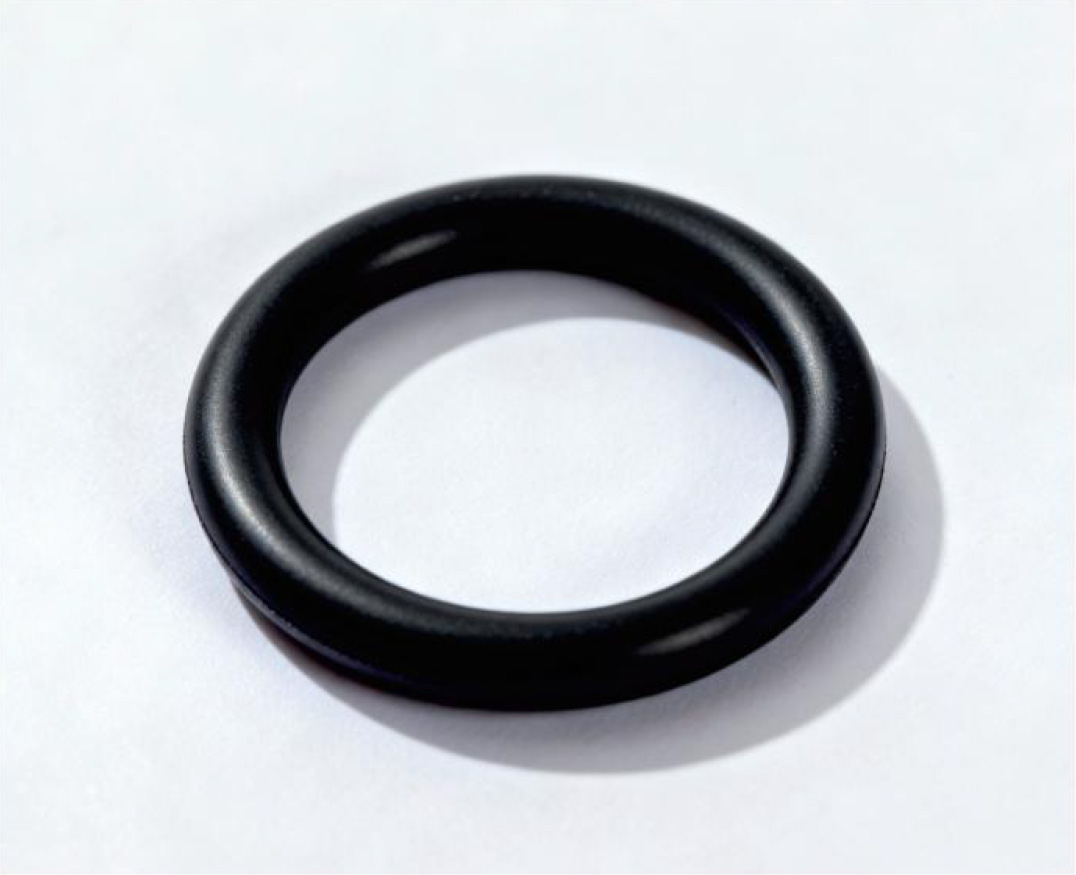
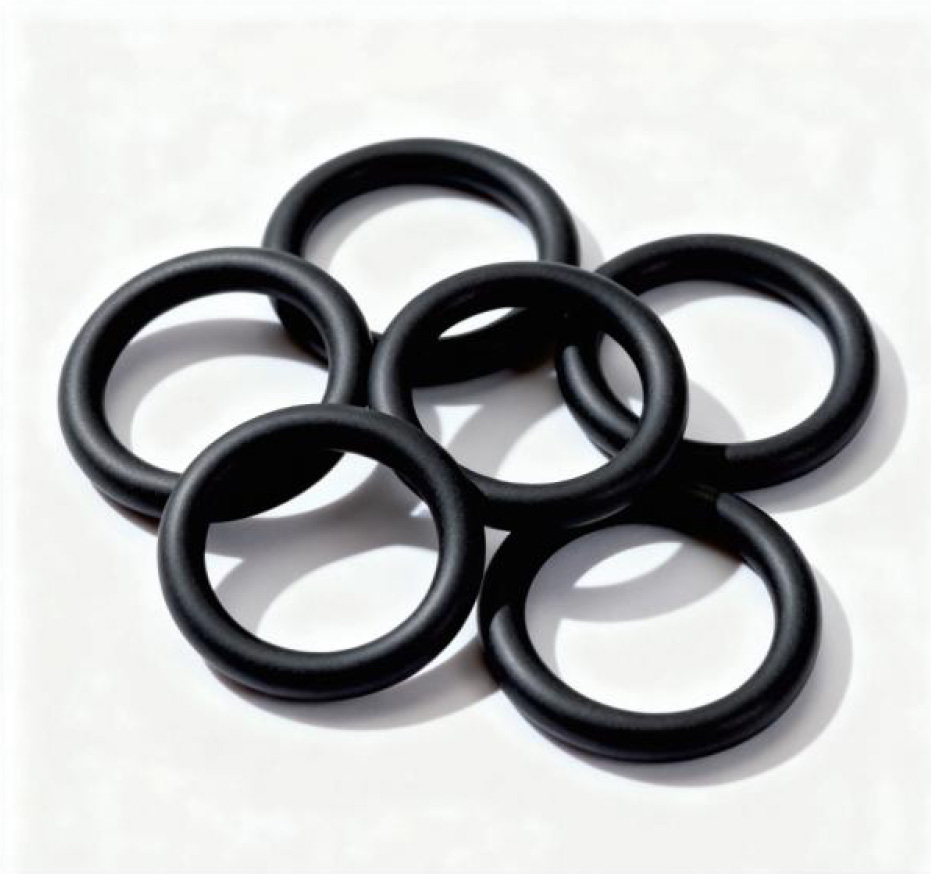
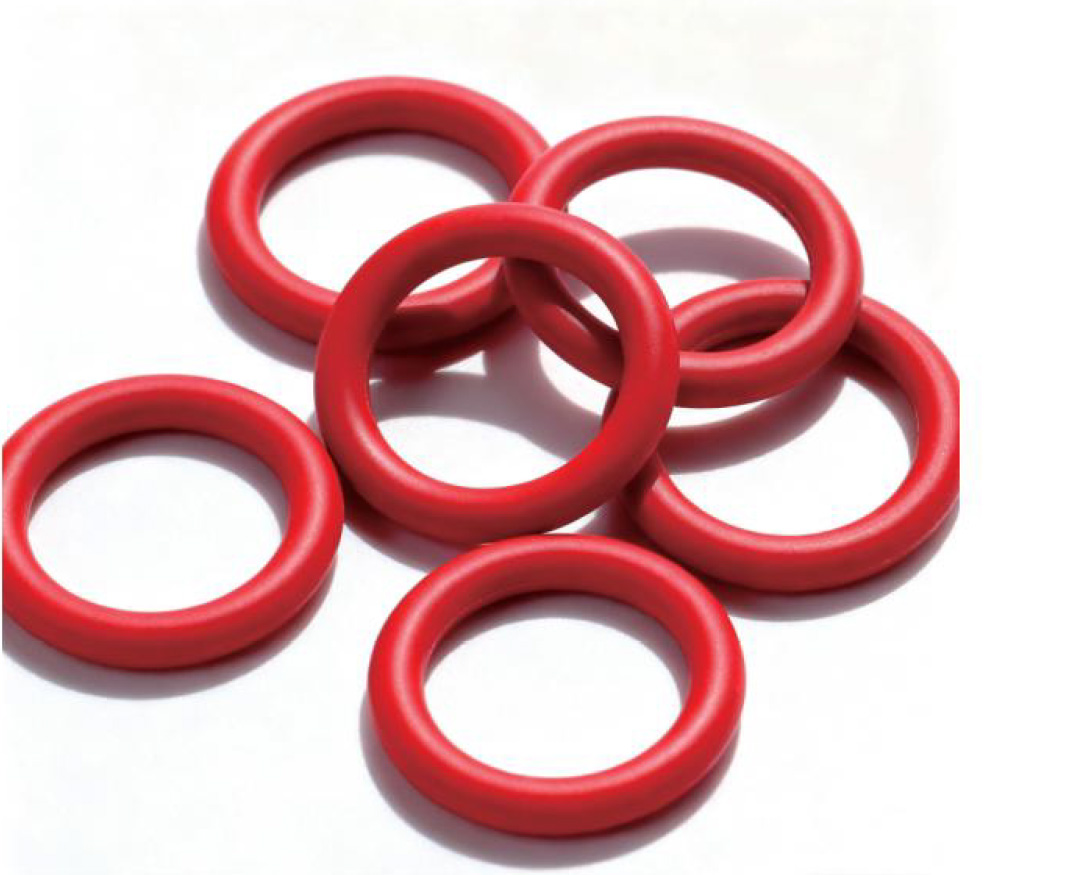
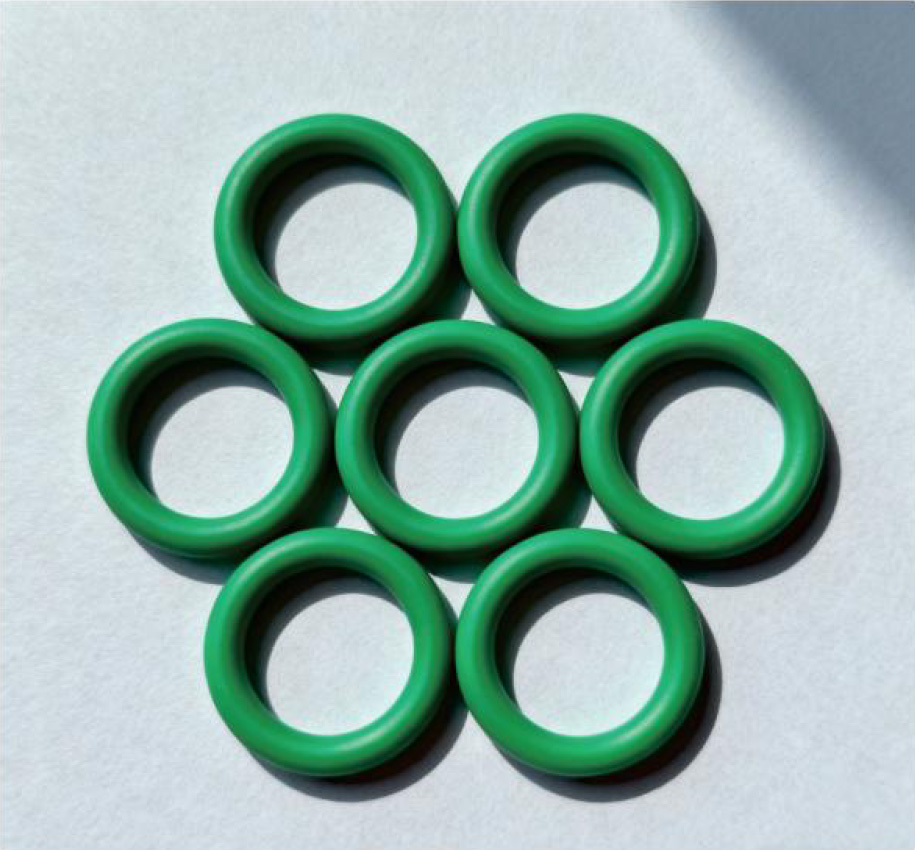
EPDM seals are widely used in liquid cooling joints. Their core advantages lie in their excellent water and chemical resistance, making them compatible with most coolants and maintaining sealing performance over a long period.
Core Characteristics And Advantages Of EPDM Seals
Strong resistance to chemical corrosion
It can stably withstand common coolants in liquid cooling systems, including deionized water and ethylene glycol solutions, and is not prone to swelling, cracking, or performance degradation, effectively preventing coolant leakage.
Wide temperature range stability
The operating temperature range covers -40°C to 120°C. It can still maintain its elasticity and will not fail due to hardening at low temperatures or softening at high temperatures, even when the liquid cooling system is started and stopped.
Excellent elasticity and resistance to deformation
It has a high elastic recovery rate and low compression set, and can still fit tightly against the joint sealing surface after long-term pressure, maintaining a stable sealing effect and extending the service life of the joint.
Good aging resistance
It has strong resistance to ozone, ultraviolet rays and heat-oxidative aging. Even in long-term use or outdoor/computer room environments, it is not prone to aging phenomena such as cracking and hardening, reducing the frequency of maintenance.