What Is Warm Isostatic Pressing Technology?
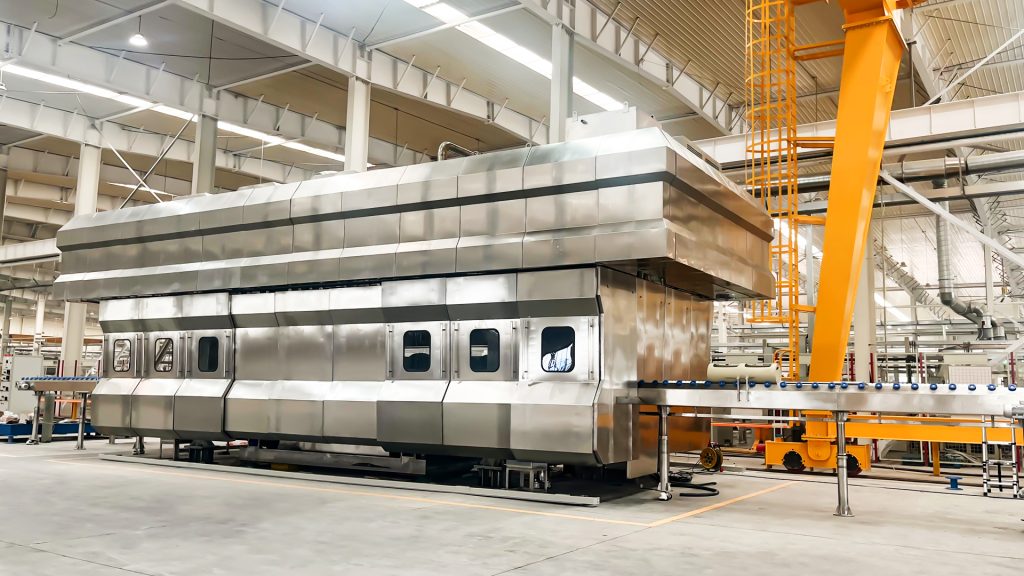
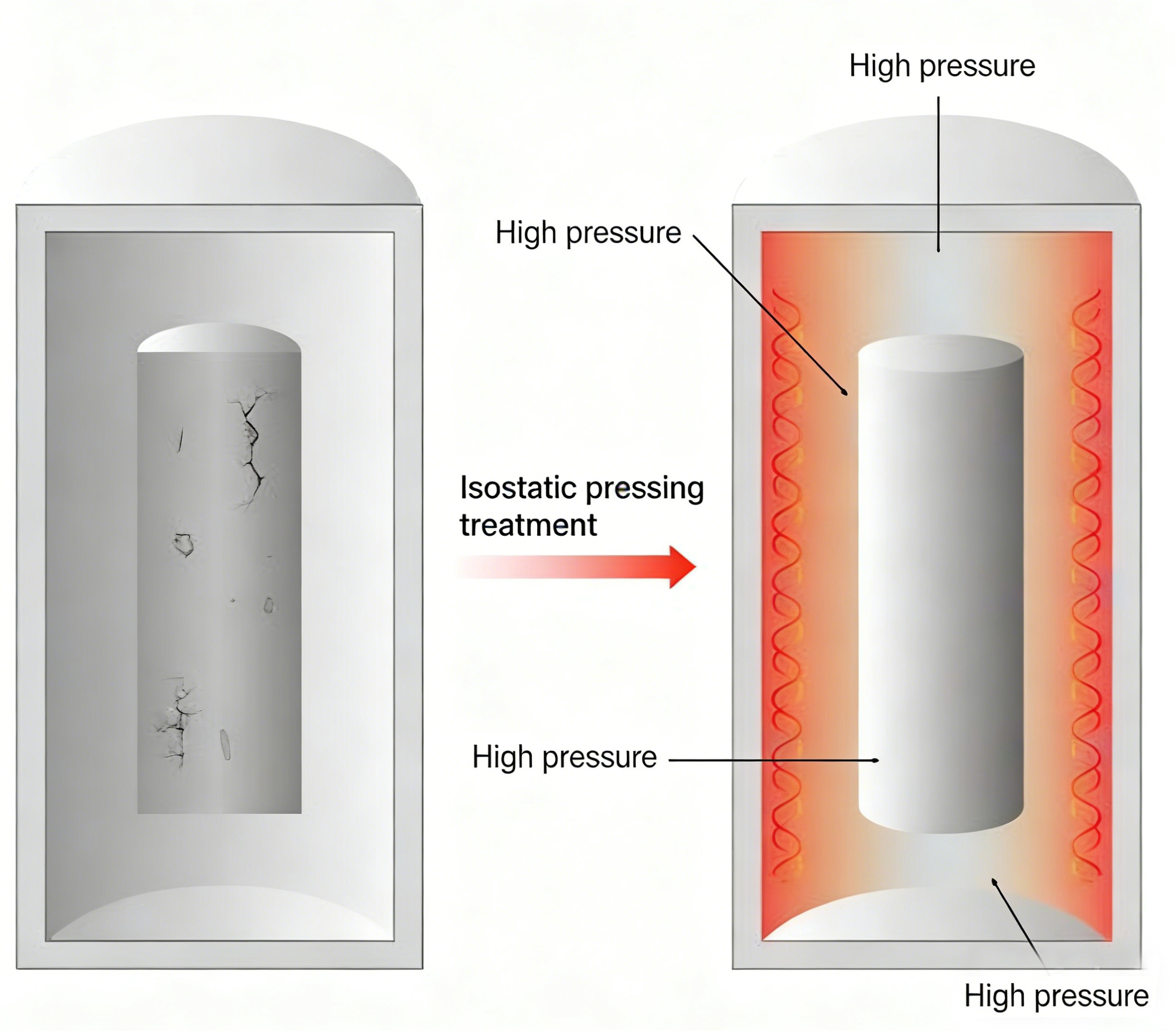
Warm isostatic pressing (WIP) uses flexible materials as molds, and depending on the material being processed, the pressurizing medium can be water or oil, to shape and press powdered materials. In this process, the liquid is first heated and then injected into a sealed, high-pressure chamber through a pressure source. The pressure of the medium within the sealed container can be uniformly transmitted in all directions, ultimately resulting in products with uniform density and excellent performance. Due to its unique forming advantages, warm isostatic pressing has been widely used in many high-end industrial fields.
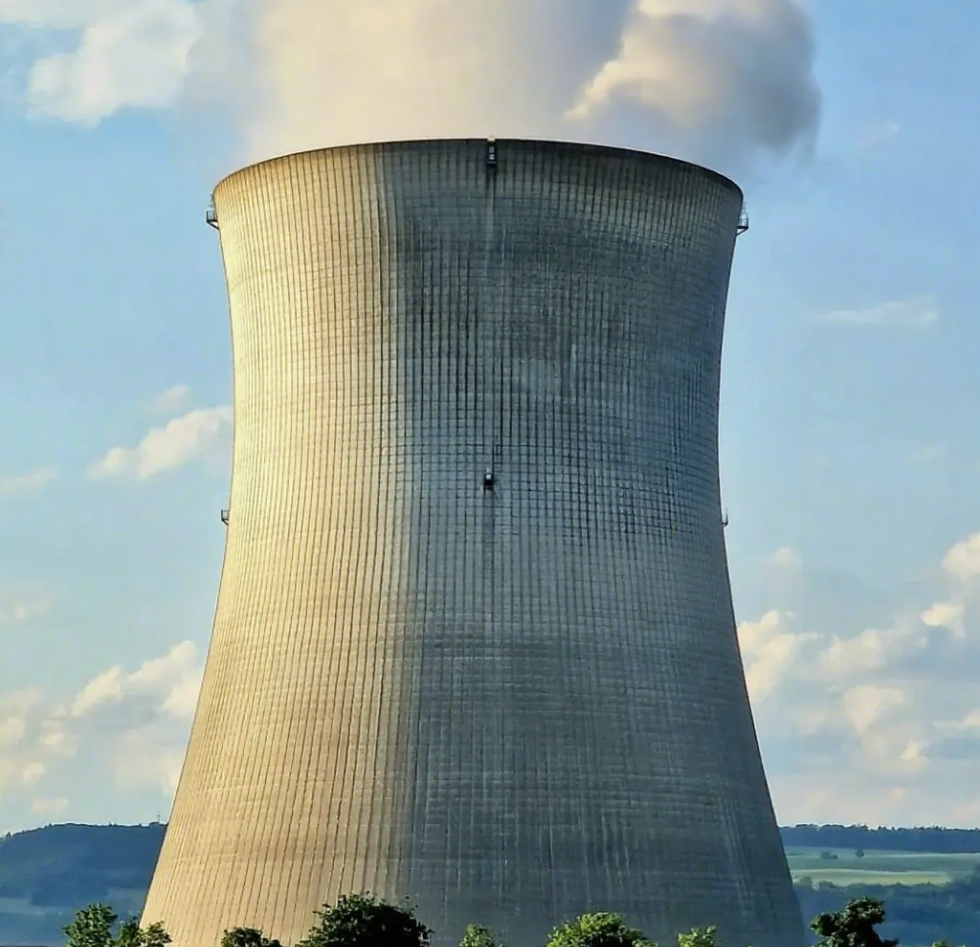
New material preparation: preform forming of high-temperature alloys, titanium alloys, ceramic matrix composites, and superhard materials (such as silicon nitride and alumina) to provide high-performance substrates for aerospace and nuclear energy fields;
Electronics and Ceramics: Multilayer ceramic capacitors (MLCC), LTCC/HTCC packaging substrates, high-voltage electromagnetic ceramic insulators, etc., ensuring consistent electrical performance and dimensional accuracy;
Specialty material processing: densification treatment of graphite electrodes, polyamide products, rare earth permanent magnets, and rare metal powders to improve material strength and conductivity;
Precision manufacturing: automotive engine turbine blades, medical implants (such as ceramic prostheses), cutting tools, etc., to meet the requirements of high-end equipment for parts reliability and service life.