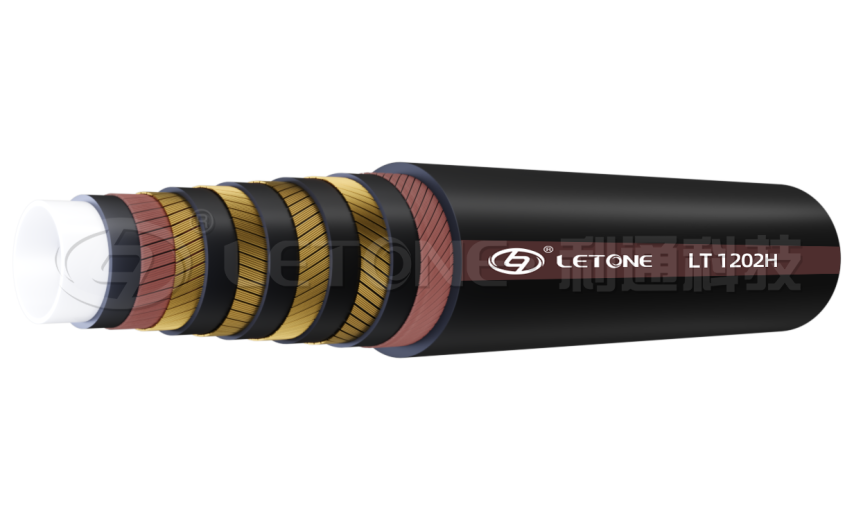
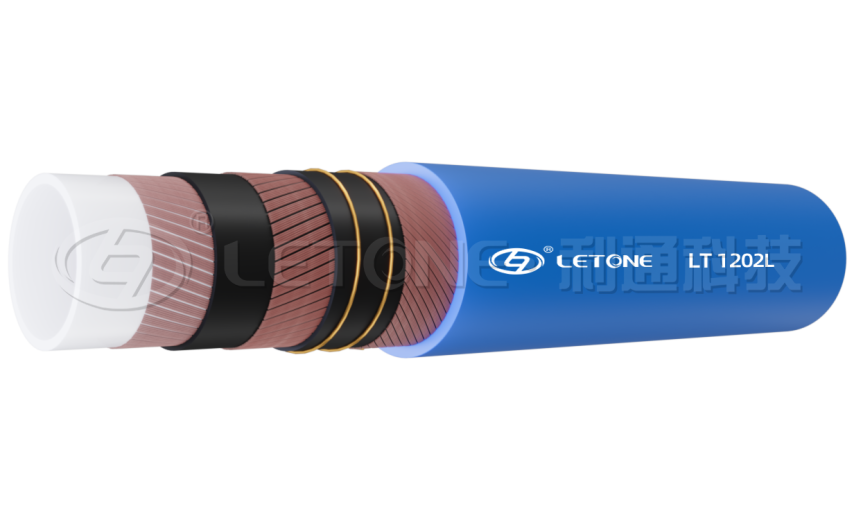
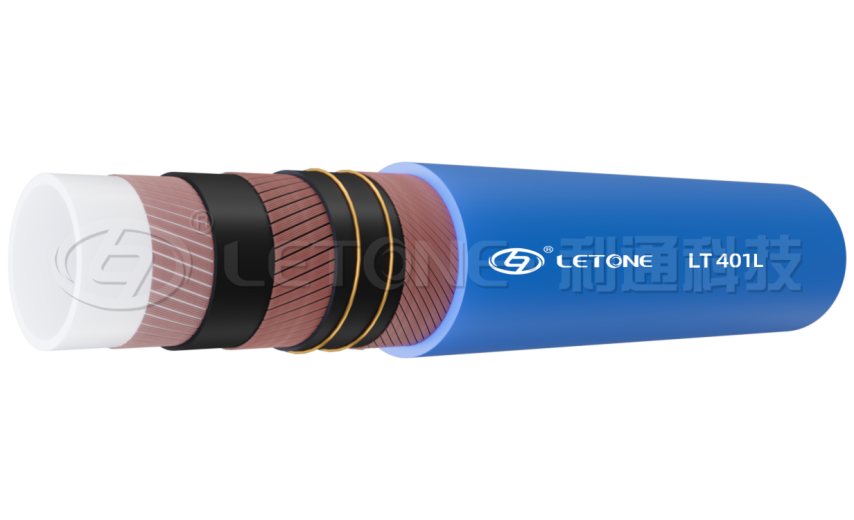
What are the most prominent characteristics of PFA chemical hoses compared to other plastic hoses (such as PTFE and PVC)? In which fields are they mainly used? The most outstanding characteristics of PFA chemical hoses are their excellent chemical resistance, extremely high purity, and superior resistance to bending fatigue. Compared to PTFE (polytetrafluoroethylene), PFA can also withstand almost all strong acids, strong alkalis, and organic solvents, including concentrated sulfuric acid and hydrofluoric acid, but it has better flexibility, is less prone to permanent bending deformation, and has stronger resistance to stress cracking. Compared to PVC, PFA has a much wider temperature range (typically -80℃ to +260℃), which is a completely different level. In addition, PFA resin itself is an ultra-pure material and will not leach additives or metal ions like some plastics, thus ensuring the absolute purity of the transmission medium and preventing contamination.
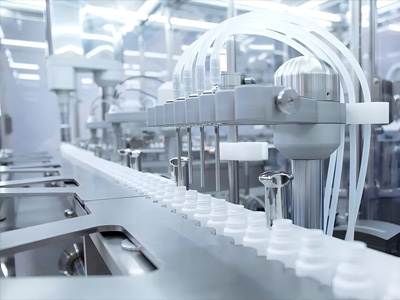
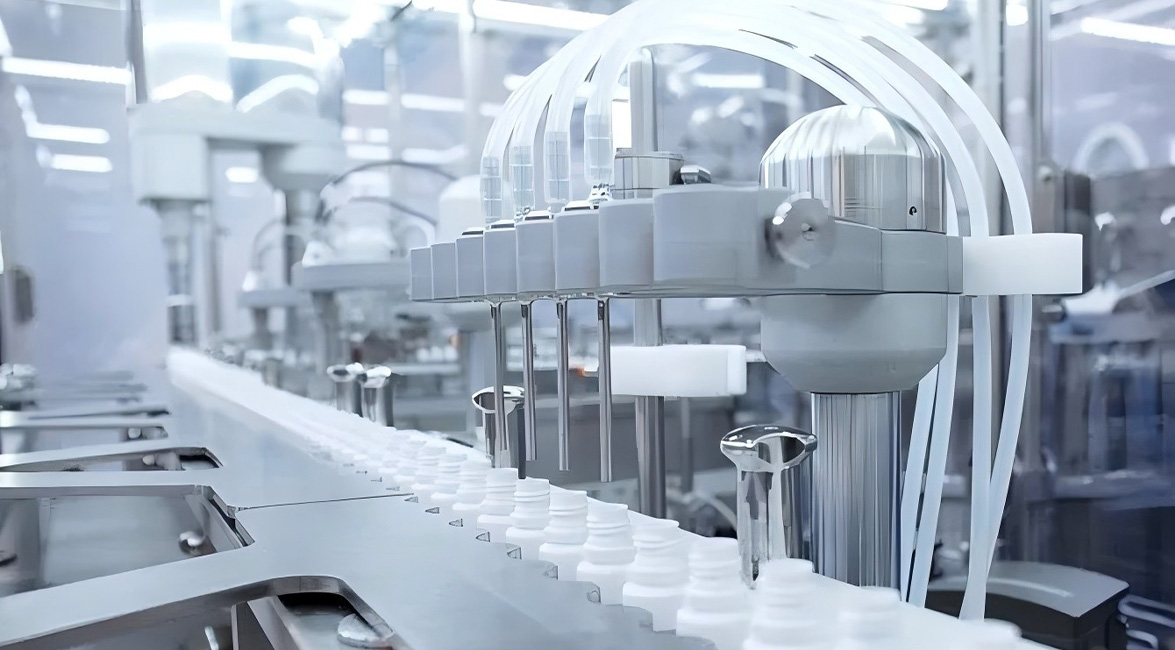
Based on these characteristics, PFA chemical tubing is mainly used in fields with extremely high requirements for cleanliness and corrosion resistance. For example, in the semiconductor manufacturing industry, it is used to transport high-purity chemical reagents, ultrapure water, and etching solutions; in pharmaceutical and bioprocessing, it is used for sterile fluid transport and culture medium delivery; and in fine chemical and laboratory analytical equipment, it is used to handle various corrosive chemicals, making it an indispensable component in high-end manufacturing processes and critical technological steps.
What are the specific temperature resistance properties of PFA chemical hoses? What precautions should be taken when using them in high and low temperature environments? PFA chemical hoses have an extremely wide temperature range, typically maintaining excellent physical and chemical properties in operating conditions from -80°C to +260°C. At 260°C, they can operate continuously for extended periods without melting or degrading, retaining a much higher mechanical strength than ordinary plastics. Furthermore, their extremely low glass transition temperature allows them to maintain good flexibility even in ultra-low temperature environments, preventing them from becoming brittle and cracking.
In practical use, the following points should be noted: First, although PFA is resistant to high temperatures, its lifespan will be shortened if it is kept at the upper temperature limit for a long period of time, so unnecessary heat exposure should be avoided as much as possible. Second, in situations involving alternating high and low temperature cycles, due to the different coefficients of thermal expansion between PFA and other metal fitting materials, special attention needs to be paid to the sealing reliability of the joint connection, which may require the use of flanges or clamps with compensation designs. Additionally, when used in high-temperature external environments (such as near heaters or steam pipelines), an insulation layer should be considered to protect operators and slow down potential thermal aging of the pipes. For low-temperature applications, ensure that the pipes are above the minimum permissible temperature before bending operations to avoid damage due to excessive stiffness.
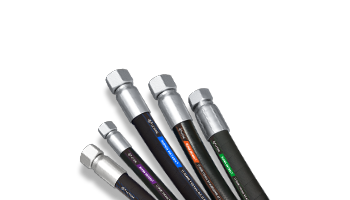
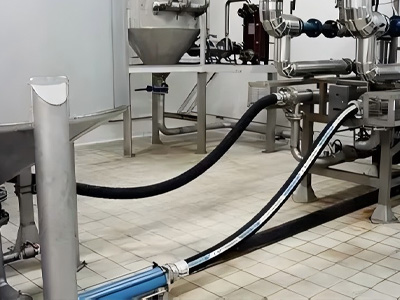
What are the flexibility and lifespan of PFA chemical hoses? How can their lifespan be maximized during installation and use? PFA chemical hoses are renowned for their exceptional flexibility and long lifespan. Unlike rigid PFA tubing of the same material, they do not require complex bends, allowing for easy tubing installation in confined spaces and simplifying system design. They exhibit strong resistance to bending fatigue, enabling repeated bending at small radii without significant breakage. In terms of lifespan, under proper operating conditions (without exceeding temperature and pressure limits and media compatibility), PFA hoses can last for several years.
To maximize its lifespan, installation and use are crucial: First, avoid excessive bending. Although it is flexible, the bending radius during installation should not be less than the manufacturer's recommended minimum. Bends should be smooth, avoiding sharp bends or acute angles, as these will significantly weaken its pressure resistance and create stress concentration points. Secondly, prevent external wear and mechanical damage. Avoid subjecting the hose to friction with rough surfaces or to unnecessary stretching or twisting; use protective sleeves at points where friction may occur. Third, monitor system pressure pulsations. Continuous, severe pressure fluctuations (water hammer effect) can cause cumulative damage to any hose, so pressure buffering should be considered when designing a system. Finally, regularly inspect the hose for swelling, hardening, cracks, or discoloration, as these are signs of aging and should be replaced promptly.