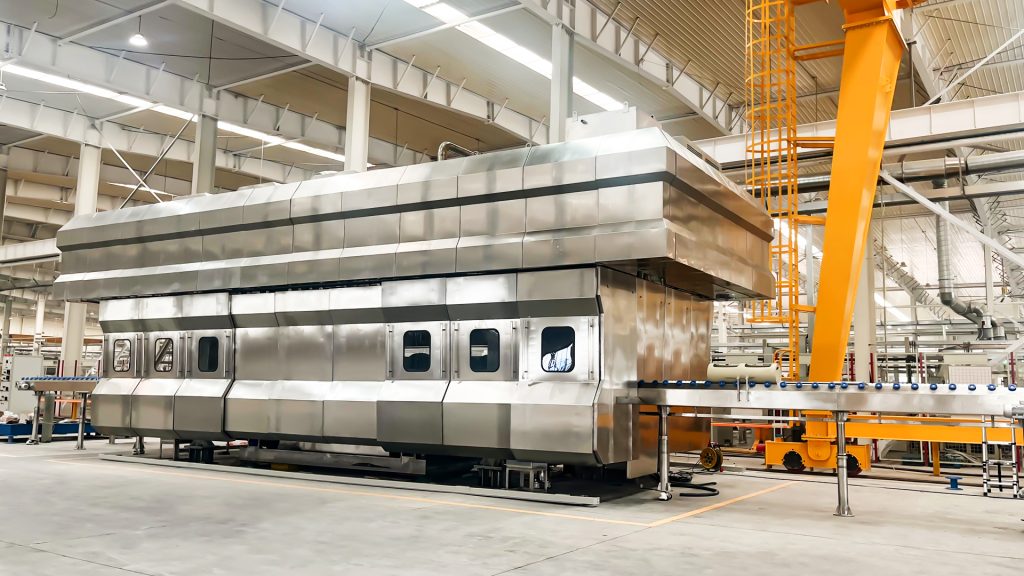
HPP OEM Services
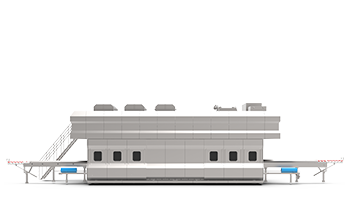
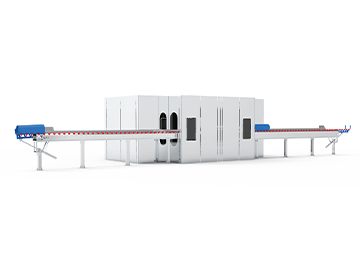
Post-sterilization (HPP) has become a widely adopted non-thermal food processing technology. Through this post-sterilization process, foodborne pathogens can be effectively inactivated, allowing food and beverage manufacturers to confidently provide consumers with safe and high-quality food.
- Technical Principle: Water is compressed to 15%-18% of its volume to achieve a pressure of 600 MPa, equivalent to the pressure at a depth of 60,000 meters or 6,000 atmospheres. This ultra-high pressure ruptures bacterial cell walls, disrupts non-covalent bonds, denatures proteins, and inactivates enzymes, thereby killing bacteria, yeast, and mold.
- Process Advantages: Purely physical sterilization method; non-thermal processing preserves the original taste and 90% of nutrients of food, especially heat-sensitive substances such as vitamins and anthocyanins in fruits and vegetables.
- Suitable for: Industries where low-temperature sterilization can significantly improve product performance, such as: juice processing, raw meat production, prepared meals, raw meat and bones for pets, and fresh-cut vegetable processing, etc.
Application Cases
-
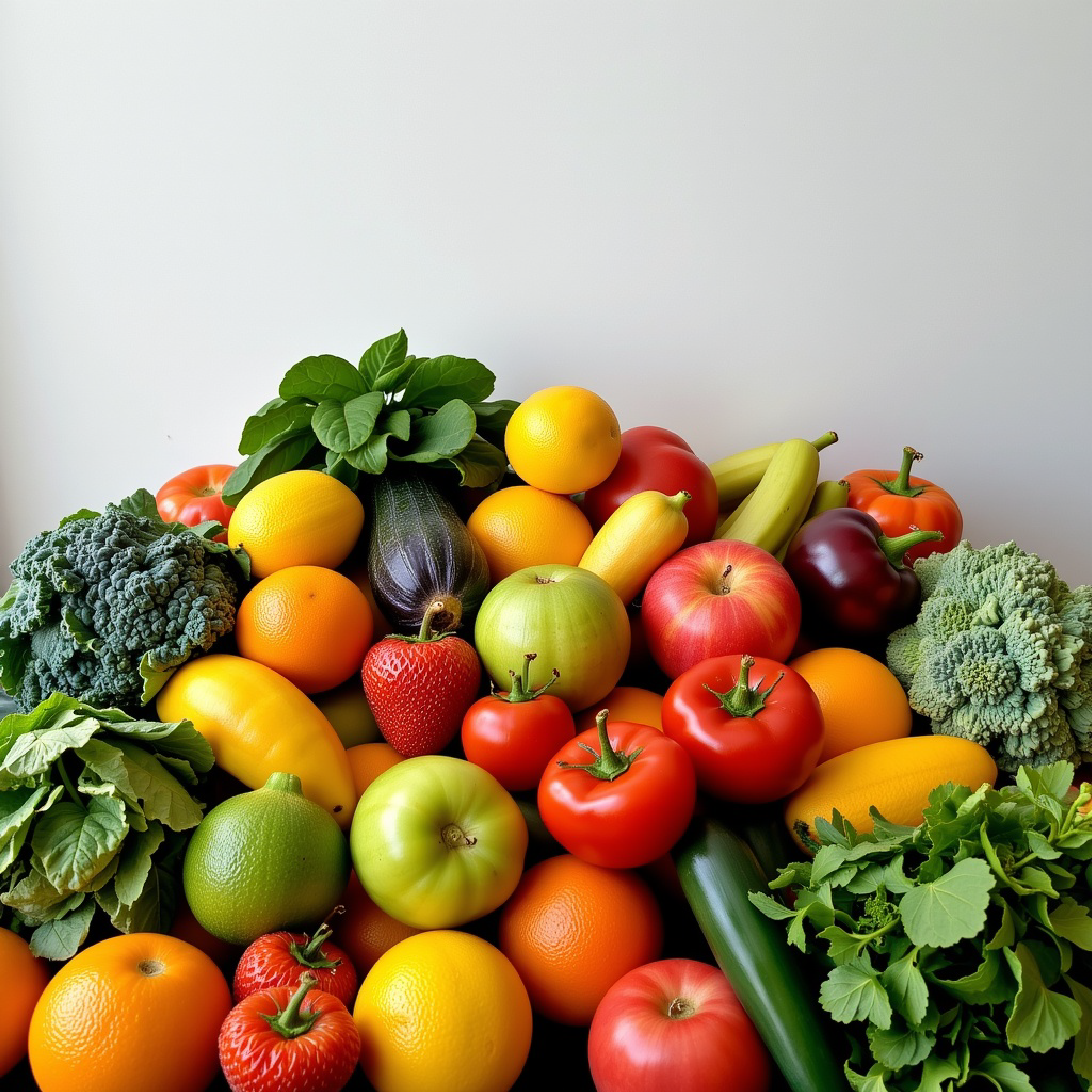
Fresh fruits and vegetables
Preservation of Freshness and Taste: Sterilization does not damage cell structure, maintaining the original color, shape, and crisp texture of fresh fruits and vegetables.
Nutrition Lock: Processed under high pressure at room temperature, maximizing the retention of heat-sensitive vitamins and other nutrients.
Natural and Additive-Free: No heating or chemical additives are required, achieving pure physical preservation and meeting clean label requirements.
Enhanced Safety: Microbiological indicators meet commercial sterility standards, reducing the risk of foodborne illnesses.
-
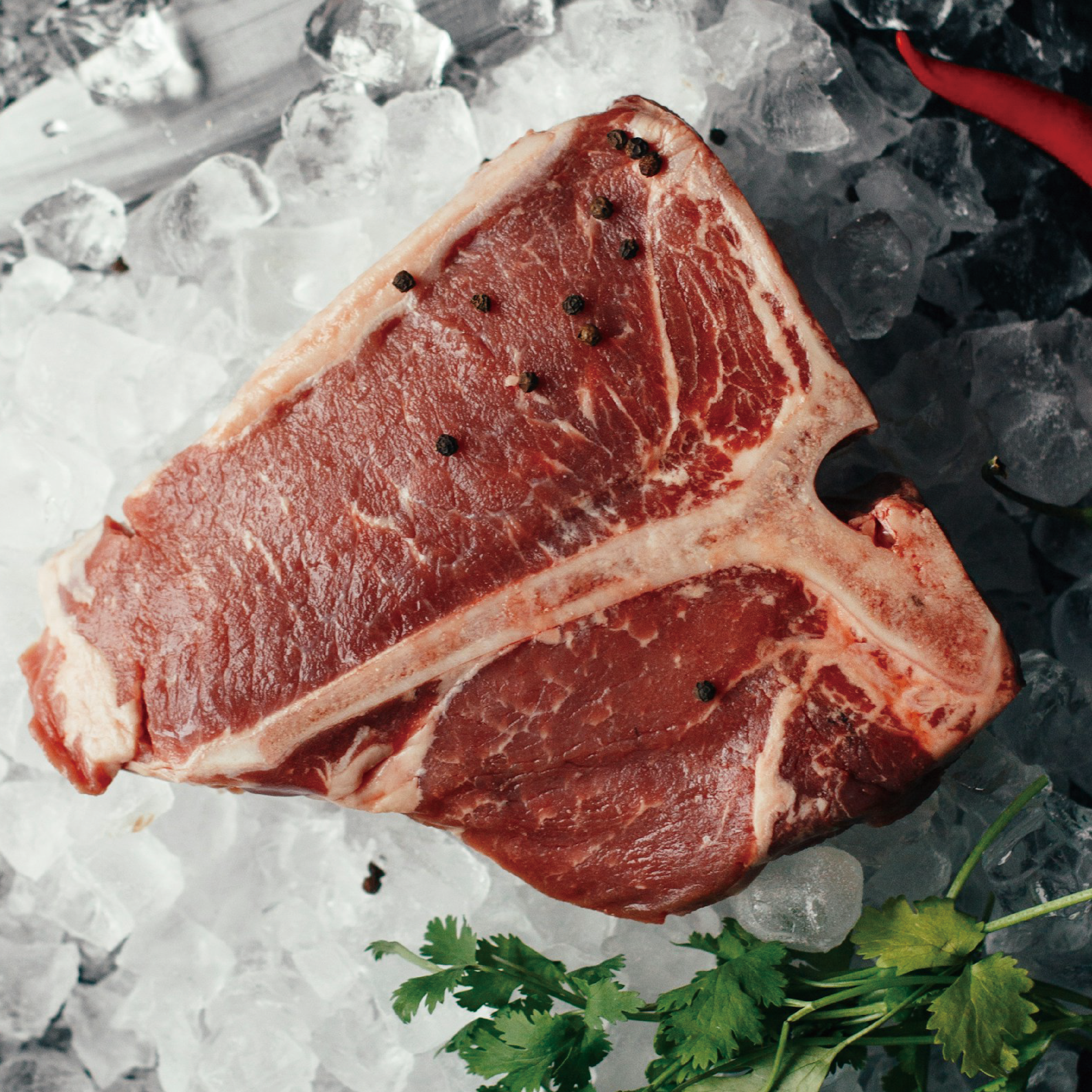
meat products
Safety Upgrade: Inactivates pathogens and parasites, meeting international food safety standards such as the EU and US FDA. Reduces the use of chemical preservatives, meeting consumer demand for "clean label" products.
Quality Enhancement: Preserves the natural color, taste, and nutrients of meat (such as B vitamins and myoglobin). Extends shelf life to 30-90 days (compared to only 7-15 days for traditional heat-sterilized products).
Efficiency Optimization: Short processing time (3-15 minutes), suitable for large-scale continuous production. Energy consumption is reduced by more than 30%, aligning with green manufacturing trends.
-
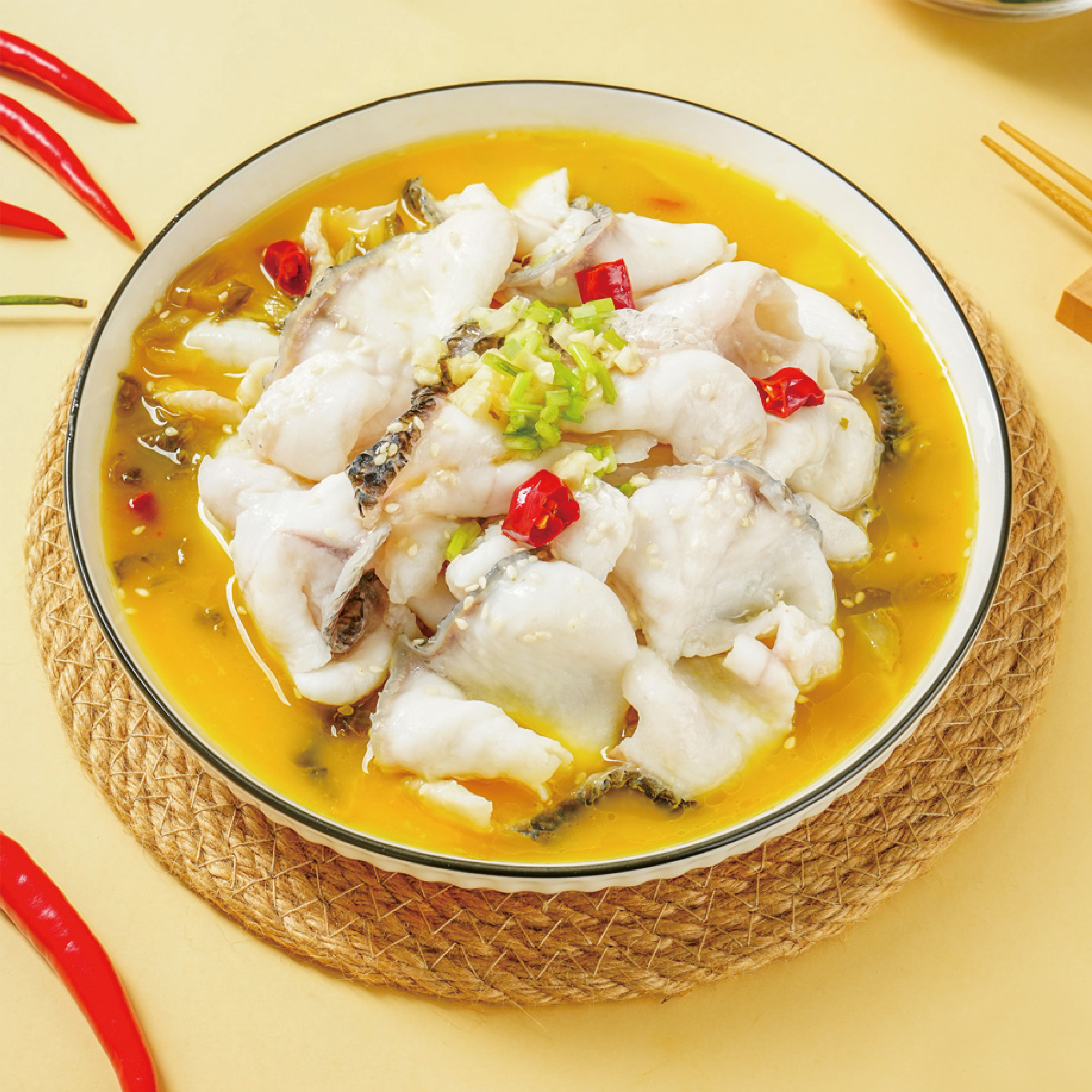
Pre-made dishes
Clean Labeling: Reduces the use of chemical preservatives (such as potassium sorbate) by over 80%, meeting consumer demand for "additive-free" products. Product ingredient lists can be simplified to "ingredients + natural seasonings."
Flavor Locking: Retains the natural aroma of ingredients (such as the umami amino acids in steamed fish and the volatile aromatic substances in stir-fried vegetables), resulting in a 20%-30% improvement in sensory scores compared to traditional products.
Meat Texture Restoration: For example, in ready-to-eat braised pork processed under ultra-high pressure, the efficiency of collagen conversion to gelatin is increased by 15%, achieving a "rich but not greasy, melt-in-your-mouth" freshly made texture.
-
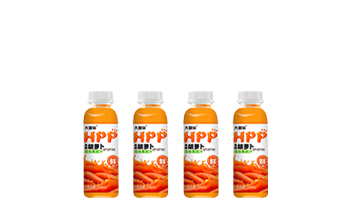
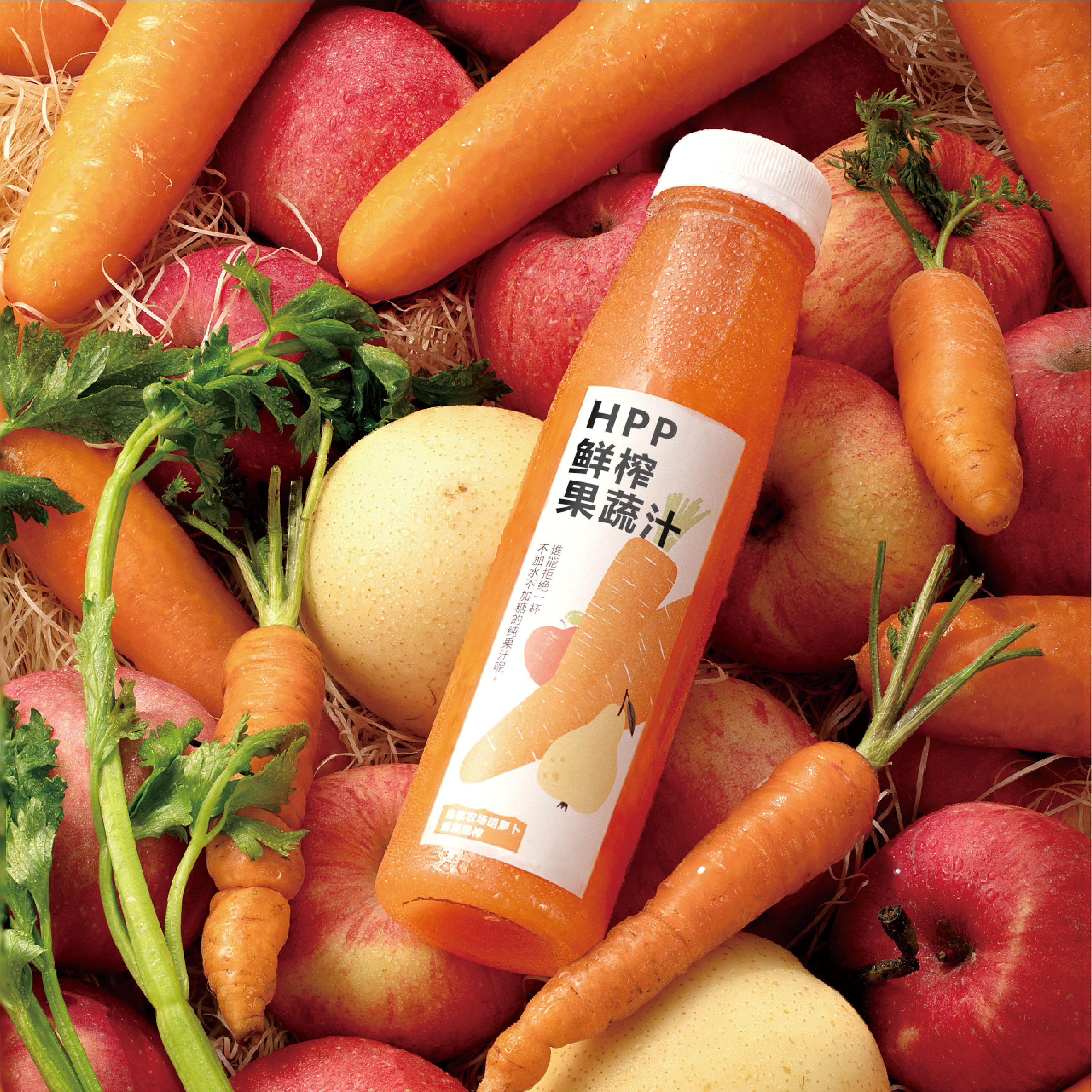
Fruit juice drinks
Extended shelf life: Effectively kills spoilage and pathogenic bacteria, significantly extending shelf life.
Preserved fresh flavor: Avoids the "cooked" taste from heat processing, restoring the natural fresh flavor of the juice.
Zero nutrient loss: Fully preserves heat-sensitive nutrients such as vitamins and active enzymes, resulting in superior quality.
-
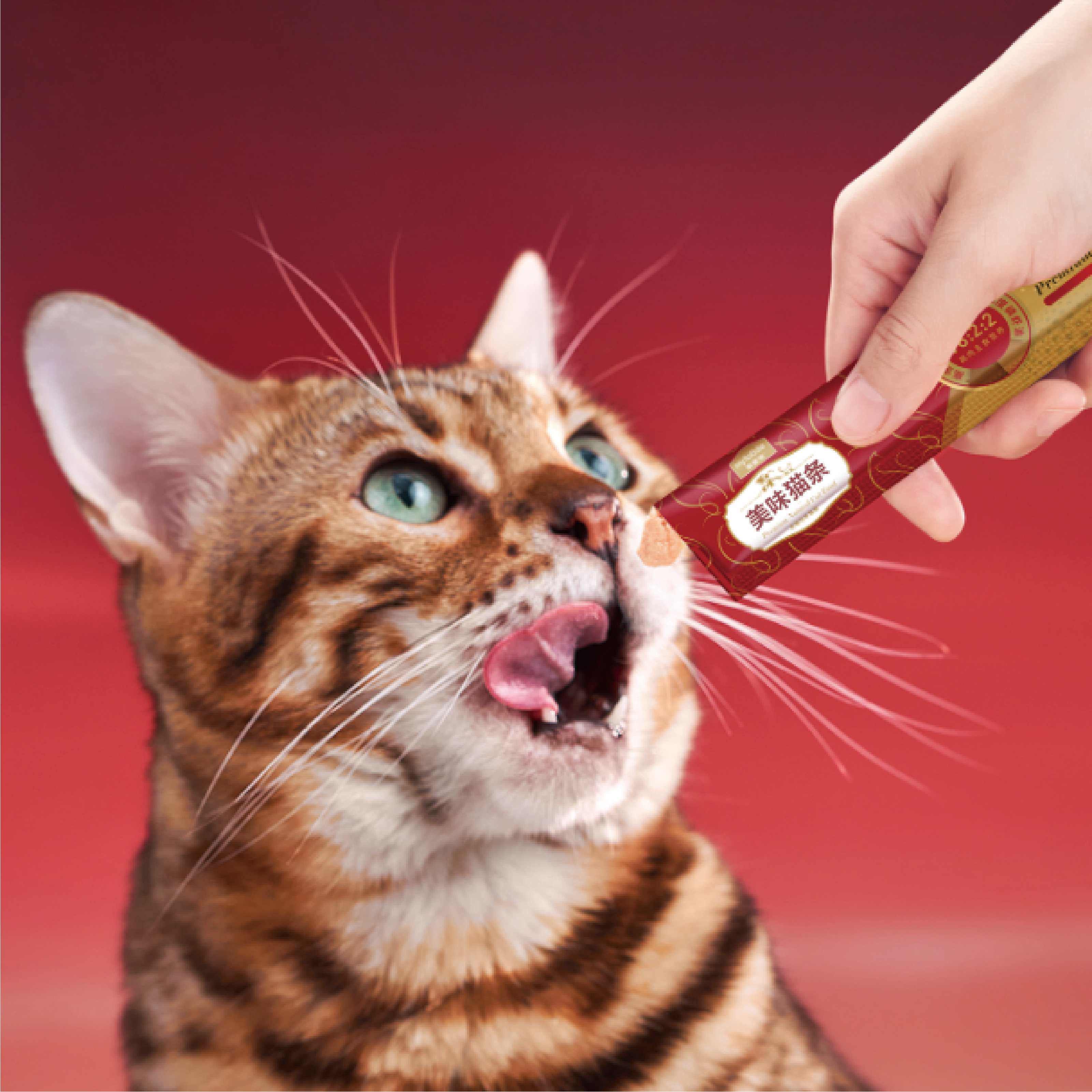
Pet food
Zero Additive Preservatives: Physical sterilization replaces chemical preservatives, meeting BRC and IFS international certification standards.
Quality Visualization: The production line data platform monitors key indicators such as F0 value and colony count in real time, supporting QR code traceability.
Flexible Production: Modular design allows for quick switching between freeze-dried and wet grains, adapting to high-end customized needs.
OEM Services
The principle of high-pressure sterilization (HPP) technology for food is to place food under ultra-high pressure for several minutes. In a low-temperature or room-temperature environment, this pressure kills microorganisms in the food, primarily by destroying their cell membranes and inactivating certain important enzymes. Letone provides OEM/ODM services; please contact us for details.
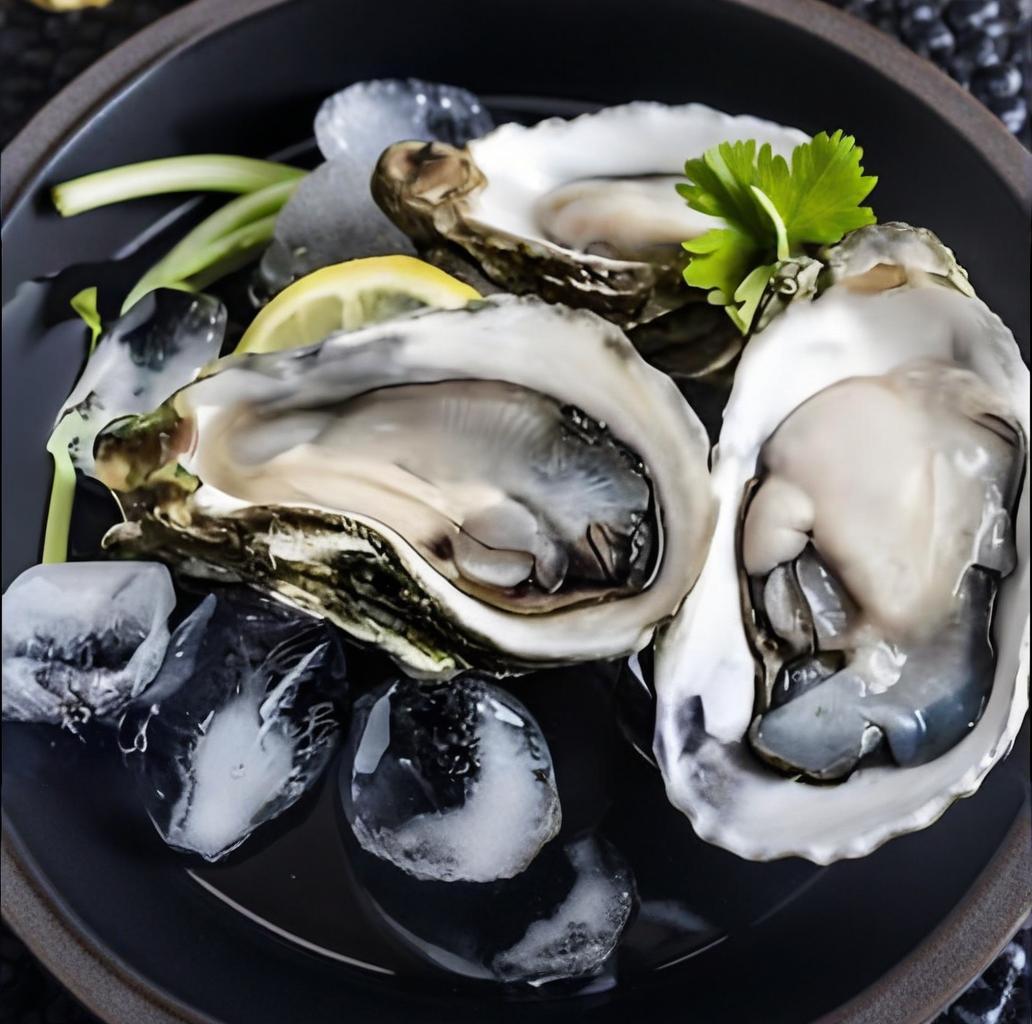
shellfish opening
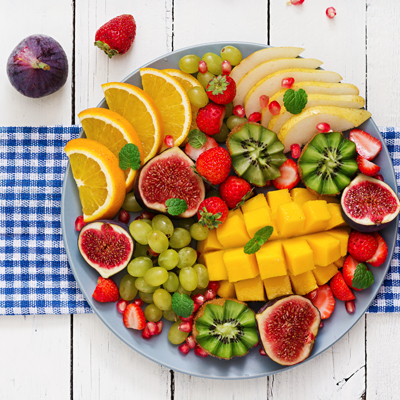
Fresh fruit
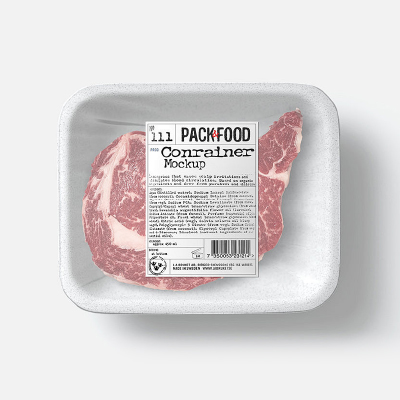
meat products
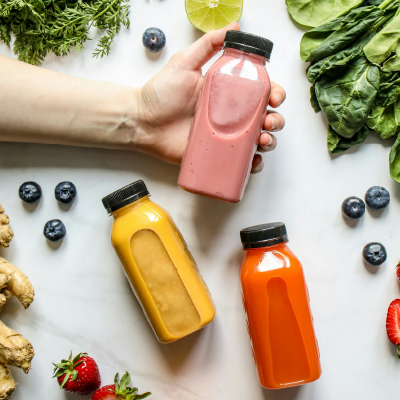
Fruit juice drinks
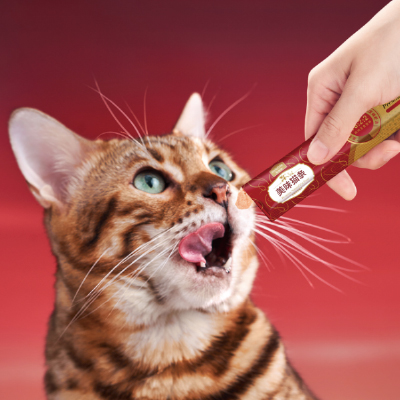
Pet food
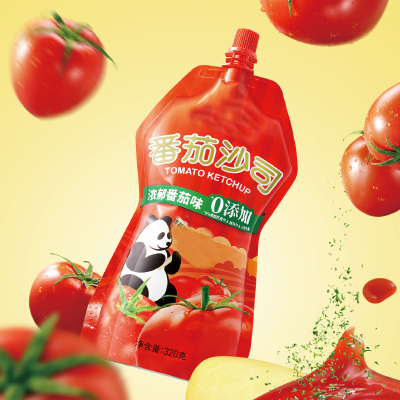
Dipping sauces and seasonings
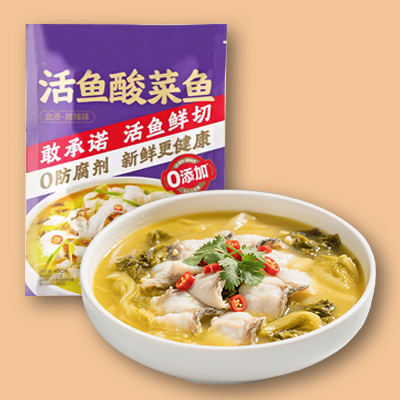
Pre-made dishes

Baby food
Frequently Asked Questions
What's the difference between this and NFC juice? The initial processing is the same (washing, juicing, bottling); the only difference is the sterilization method.
HPP – Low-temperature cold sterilization (5-room temperature) for 3-5 minutes.
NFC – UHT, high-temperature instantaneous sterilization:
135°C - 140°C: Hold for 2-4 seconds
140°C - 150°C: Hold for 2-8 seconds.
Because of the loss of taste and nutrients due to high temperatures, HPP juice is currently the best-tasting on the market (personally tested).
Can 600 MPa kill spores? No, killing spores requires a pressure of 800 MPa. To prevent spore germination, refrigeration is necessary.
Why don't bottles or bags get crushed? Isostatic compression technology ensures consistent pressure across 720°, resulting in overall compression and overall rebound after pressure release. Volumetric deformation is only 15-18%, preventing flattening.
Can we conduct an experiment to understand this first? Yes, we have a 2L testing machine available, with a diameter of 10cm and a height of 26cm.
Please fill out the form below, and we will contact you within 24 hours.
We will contact you within half an hour of receiving your inquiry call.